
Updates on Female Representation and Gender Parity in International Organizations

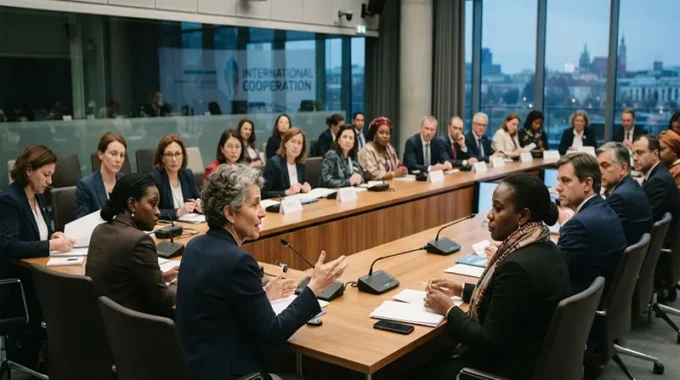
For nearly eight decades, the architecture of global governance has been shaped within profoundly male-dominated multilateral spaces. From the founding halls of the United Nations to the closed-door caucuses of international financial institutions, the most consequential decisions regarding war, peace, global health, and economic stability have historically been brokered by men. Today, as transnational challenges grow increasingly volatile, the imperative for inclusive global governance is no longer viewed merely as an ethical aspiration, but as an operational necessity.
True gender parity in international leadership transcends the superficial metrics of tokenism. It demands a structural redistribution of power where women occupy equal space in setting agendas, authoring treaties, and allocating global resources. Analyzing the current landscape reveals a complex reality: while institutional awareness is at an all-time high, tangible progress remains stubbornly uneven, marred by persistent structural bottlenecks and an urgent need for accountability across the multilateral system.